
"also divided"
20000 article(s) found

The types of white tea are mainly divided into four categories: the description of the flavor and taste of white tea in what season and how to brew it?
Very similar to green tea, white tea does not undergo the process of oxidation and fermentation, but it has a subtle taste. Usually characterized by its soft buds and large whole leaves, the fragrance spectrum they produce is particularly attractive to tea lovers who prefer mild and low-key flavors. Although there are not many kinds of white tea, it can even be said that there are only a handful of white tea, but the tea system of white tea is really unique. White

Introduction to the taste of the method of variety treatment in the grinding scale of Ecuadorian coffee beans
Ecuador is one of the few countries in South America that produces both Arabica coffee and Robbins coffee. However, as the land suitable for Arabica coffee trees is decreasing, the production of Robbins coffee is gradually increasing. The best Arabica coffee comes from the Andes, especially the Chanchagu Valley (ChanchamgoValley), which is divided into two mountains, from the south to the south.

Introduction to the processing methods and grinding degree of high-quality coffee beans in Ecuadorian coffee flavor description
The Arabian Coffee Tree was first introduced to Ecuador (Ecuador) in 1952 and its coffee is of good quality, especially the coffee harvested in early June. Ecuadorian coffee beans can be divided into two varieties: Galapagos and Gigante, both of which have the characteristics of large granules and heavy weight. Ecuadorian coffee can be divided into first class according to quality (No. 1) and Extra Superior

There are many kinds of coffee beans imported from all over the world.
The characteristics of ● 's main producing areas and strict selection of beans at present, there are many kinds of imported coffee beans from all over the world, so it is impossible to choose. Here, we will introduce the main producing areas and the characteristics of coffee beans as a reference for you to choose and buy coffee. ● Brazil (South America), the largest coffee producer, accounts for 1/3 of the global consumption of coffee of all grades and types.

How to taste a cup of coffee? How to describe the flavor of coffee? What are the flavor characteristics of hand-brewed coffee
Tasting coffee is like tasting wine. When we taste a cup of fine coffee, we naturally have the expectation that we can taste the flavor of coffee and express the flavor of coffee. How to taste a cup of coffee? This question can be divided into two aspects, one is about the process of tasting coffee, and the other is the perspective of tasting coffee (entry point). Why describe coffee in terms of flavor rather than taste

The main producing areas of coffee and the characteristics of high-quality and strict selection of beans
At present, there are so many kinds of coffee beans imported from all over the world that there is no choice. Here, we will introduce the main producing areas and the characteristics of coffee beans as a reference for you to choose and buy coffee. ● Brazil (South America), the largest coffee producer, accounts for 1/3 of the global consumption of coffee of all grades and types, and has a place in the global coffee market, although Brazil
Quality of coffee beans in various producing areas of the world's fine coffee beans
The characteristics of ● 's main producing areas and strict selection of beans at present, there are many kinds of imported coffee beans from all over the world, so it is impossible to choose. Here, we will introduce the main producing areas and the characteristics of coffee beans as a reference for you to choose and buy coffee. ● Brazil (South America), the largest coffee producer, accounts for 1/3 of the global consumption of coffee of all grades and types.

What do you need to make coffee?
There are always some classmates who ask, what kind of equipment should I choose? I think I should actually ask myself what kind of coffee I want to drink first. According to a book, coffee is divided into drip coffee and espresso coffee. Usually we drink, for example: Brazilian coffee is a single item; latte, cappuccino is Italian. In terms of cost: making drip coffee at home is cheaper than making espresso. drip coffee

The main producing areas of coffee brands and the characteristics of strict selection of beans
The characteristics of ● 's main producing areas and strict selection of beans at present, there are many kinds of imported coffee beans from all over the world, so it is impossible to choose. Here, we will introduce the main producing areas and the characteristics of coffee beans as a reference for you to choose and buy coffee. ● Brazil (South America), the largest coffee producer, accounts for 1/3 of the global consumption of coffee of all grades and types.

The main producing areas of coffee brands and the characteristics of strict selection of beans
The characteristics of ● 's main producing areas and strict selection of beans at present, there are many kinds of imported coffee beans from all over the world, so it is impossible to choose. Here, we will introduce the main producing areas and the characteristics of coffee beans as a reference for you to choose and buy coffee. ● Brazil (South America), the largest coffee producer, accounts for 1/3 of the global consumption of coffee of all grades and types.

The basic method of coffee stratification
When we make layered coffee, we first need to figure out the up and down order of each level, or the proportion of each raw material. Those with a large proportion are generally divided into the lower layer, and those with a small proportion are divided into the upper layer. Whether it is to make cocktails or layered coffee, the principle is the same.
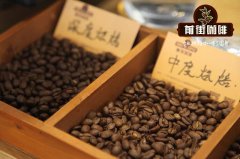
Roasted coffee classification _ roasted coffee beans need to put anything? how about roasted coffee beans
Professional coffee knowledge exchange more coffee bean information Please pay attention to the coffee workshop (Wechat official account cafe_style) raw coffee beans basically can not smell, roasted coffee can emit a unique flavor. After roasting in different degrees, different raw coffee beans produce different types and quantities of flavor substances. The roasting of coffee determines the number of raw coffee beans.

Coffee beans are also divided into "aristocratic and poor classes". Evaluation of the quality of coffee
Coffee quality Evaluation Coffee producing countries have their own grading methods and quality evaluation standards in order to grade their harvested coffee, of course, there are also famous coffee mochas. Like Yemen in Matali, there are no countries with uniform export specifications and no coffee culture of the same style. If there are common evaluation criteria for coffee producers all over the world, it will be convenient for buyers.

How to deal with the processing of Ethiopian single bean? how to divide the grade of Ethiopian single bean?
Professional barista exchanges please follow the coffee workshop (Wechat official account cafe_style) the world-famous Ethiopian coffee are: 1. Limu coffee grows between 1400 meters and 2000 meters above sea level. Wash the coffee. Excellent quality, with strong nut aromas, suitable acidity, with the intensity of wine. The annual output is 29000 tons. 2. Jima coffee grows at an altitude of 140.

Introduction to the unique flavor and taste of Hassanda Coffee Manor in Ecuador
West coast: including coastal plains and foothills, high in the east and low in the west, generally below 200 meters above sea level, with some hills and low mountains at an altitude of 600 to 700 meters. Belongs to the tropical rain forest climate, the southernmost end begins to transition to the savanna climate. The average annual precipitation decreases from more than 3000 mm to about 500mm from north to south. Central Mountains: the Andes enter Ecuador from Colombia

Introduction to the description of planting Environment and Flavor of Ecuadorian Coffee varieties with faint grassy fragrance
The Arabian Coffee Tree was first introduced to Ecuador (Ecuador) in 1952 and its coffee is of good quality, especially the coffee harvested in early June. Ecuadorian coffee beans can be divided into two varieties: Galapagos and Gigante, both of which have the characteristics of large granules and heavy weight. Ecuadorian coffee can be divided into first class (No.1) and super excellent (ExtraSuperior) according to its quality.
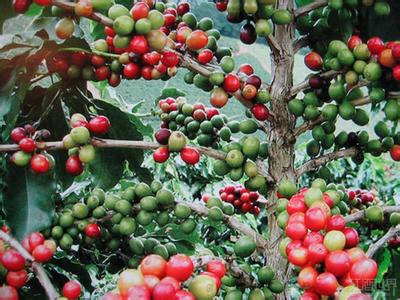
The best Kona coffee in Hawaii is divided into three grades.
Hawaii (Hawaii) after nearly two centuries of efforts to grow coffee, the term Kona is almost synonymous with "quality". Hawaii has superior geographical conditions for growing coffee, but historically, the road to growing coffee has been rugged since coffee trees were first introduced to the island in 1825. Even today, it's beyond human control.

The classic of the mocha pot lies in its octagonal design, the structure is not complicated, and the body of the kettle is divided into three parts.
Professional coffee knowledge exchange more coffee bean information Please pay attention to the coffee workshop (Wechat official account cafe_style) the classic of the mocha pot lies in its octagonal design, but also in the traces left on its body over time, since it was designed in 1933, it has been widely collected in the major modern industrial gallery and design gallery. It's made of metal, but

Introduction to the characteristics of coffee flavor and taste of Santa Cruz Manor in Ecuador
The Arabian Coffee Tree was first introduced to Ecuador (Ecuador) in 1952 and its coffee is of good quality, especially the coffee harvested in early June. Ecuadorian coffee beans can be divided into two varieties: Galapagos and Gigante, both of which have the characteristics of large granules and heavy weight. Ecuadorian coffee can be divided into first class (No.1) and super excellent (ExtraSuperior) according to its quality.

Introduction to the flavor and taste of Ecuadorian coffee manor with a unique flavor
Central mountain: after entering Ecuador from Colombia, the Andes is divided into the eastern and western Cordillera mountains, with a plateau high in the north and low in the south, averaging between 2500 and 3000 meters above sea level. The Andes run through the middle of the border. The ridges crisscross, dividing the plateau into more than ten intermountain basins. The most important are the Quito basin and the Cuenca basin in the south. Volcanic crowds in the territory